Gone in a Loop: The Real Pain of Losing a GIF You Loved
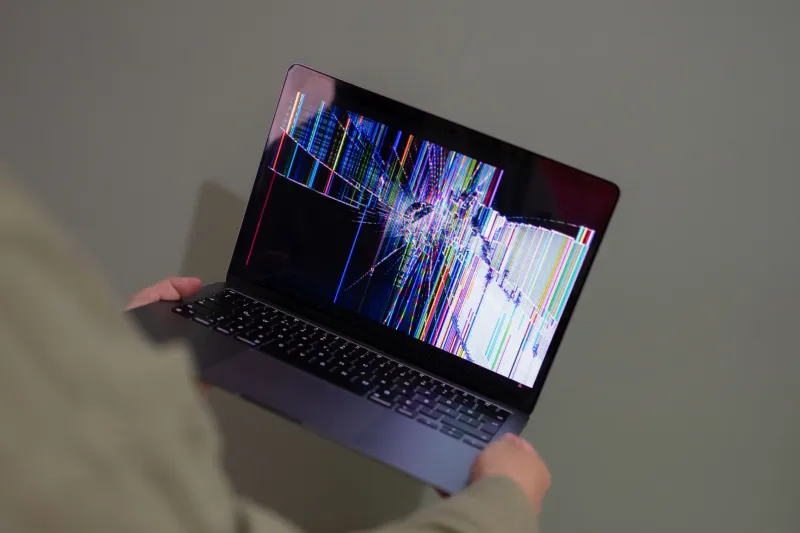
You know the one. Maybe it was a perfectly timed reaction clip from a mid-2000s reality show. Maybe it was some obscure anime moment that said exactly what words couldn't. Maybe it was a looping snippet of your favorite band at their peak, captured by some anonymous fan with a shaky camera and a gift for timing. You used it constantly. You sent it to friends. You built inside jokes around it.
And then one day, it was just gone.
No warning. No archive. No forwarding address. Just a broken image placeholder where something irreplaceable used to live.
This is the GIF grief nobody talks about — and it's more common, and more emotionally loaded, than most people want to admit.
When Platforms Die, So Do the Loops
The history of the internet is basically a graveyard of platforms that once felt permanent. Photobucket's infamous 2017 decision to paywall third-party image hosting didn't just break message boards — it wiped out years of embedded GIFs that had been woven into forum culture, fan communities, and personal blogs. Tumblr's 2018 content policy changes erased massive swaths of creative GIF work that had defined entire fandoms. Vine's shutdown in 2016 didn't kill GIFs directly, but it severed the source material for countless loops that had migrated to other platforms.
Every time a platform folds or changes its policies, a chunk of visual internet culture disappears with it. And unlike text posts, which can be copy-pasted into a document and saved in thirty seconds, GIFs exist in a more fragile ecosystem. They depend on hosting. They depend on source videos staying live. They depend on nobody filing a copyright claim on the original footage.
When any one of those dependencies breaks, the loop is gone.
It's Not Just Nostalgia — It's Grief
Psychologists who study digital culture have started paying closer attention to what happens when people lose access to online artifacts they've formed emotional attachments to. The feelings people report aren't trivial. They describe something closer to the loss of a shared memory than the inconvenience of a missing file.
Think about what a GIF actually represents. It's not just an animation. It's a compressed emotional shorthand — a way of saying I feel exactly this without having to type a single word. When you send someone a GIF of a character dramatically slamming a door, you're communicating something specific about your mood, your sense of humor, your relationship with the person receiving it. That loop becomes part of your shared language.
When it disappears, you lose a word. And sometimes, you lose the memory attached to it.
Longtime GIF collectors — yes, they exist, and there are more of them than you'd think — describe their archives in terms that sound less like file management and more like curating a personal museum. One collector who's been saving GIFs since the early 2000s described losing a folder of early internet reaction loops as "genuinely upsetting, like finding out a photo album had been thrown away."
The Copyright Problem Nobody Wants to Solve
Copyright is the quiet killer of GIF culture. Most GIFs are derived from copyrighted source material — TV shows, movies, sports broadcasts, music videos. For years, the entertainment industry largely looked the other way, recognizing that GIFs functioned as free marketing. But that tolerance has never been consistent, and it's gotten spottier as studios and networks have become more aggressive about controlling their digital footprints.
A single DMCA takedown can wipe out thousands of GIFs at once if they're hosted on a platform that complies quickly. Creators who've spent years building GIF libraries around a specific fandom can wake up to find their entire catalog gone overnight. And because GIF hosting platforms aren't always transparent about what gets removed or why, users often don't even know what they've lost until they try to use something and find a broken link.
Digital archivists have been sounding the alarm about this for years. Organizations like the Internet Archive do heroic work preserving web content, but GIFs are particularly tricky to capture systematically. They're scattered across thousands of platforms, often unlabeled or miscategorized, and the sheer volume of new content created every day makes comprehensive preservation basically impossible.
"We're losing cultural artifacts constantly," said one digital archivist who works with online media preservation projects. "GIFs are a legitimate form of folk art at this point. They document how people communicated, what they found funny, what moved them. And we're not treating them that way."
Creators Feel It Differently
For people who actually make GIFs — not just collect or share them — the loss hits at a different angle. When a platform removes your work, it's not just a file disappearing. It's creative output, sometimes hours of careful editing and timing, just evaporating.
Many GIF creators have learned to back up their work obsessively, maintaining personal archives across multiple storage solutions because they've been burned before. But even that doesn't fully protect against the emotional weight of watching something you made get erased from the public-facing internet. The comments, the shares, the context in which people encountered your work — that's gone too, and you can't back that up.
There's also a quieter frustration about credit. GIFs almost never travel with attribution attached. A creator can spend an afternoon making a perfect loop, watch it get shared millions of times, and then see it vanish without a single person knowing who made it. When the GIF disappears, so does any remaining trace of the creator's contribution to that moment of internet culture.
So What Do We Do About It?
Honestly? There's no clean answer. The internet was not built for preservation. It was built for speed and scale, and cultural memory has always been an afterthought.
But there are things that can help. Platforms that take GIF culture seriously — and we'd like to think we're one of them — can build better archiving tools, clearer attribution systems, and more transparent policies around content removal. Users can be more intentional about saving content they love rather than assuming it'll always be there. Archivists and fan communities can keep doing the painstaking work of documentation that institutions mostly won't fund.
And maybe we can start taking GIF loss seriously as a cultural conversation, not just a tech inconvenience. When a beloved loop disappears, something real is lost. A way of speaking. A shared memory. A tiny, looping piece of who we were at a specific moment in time.
That's worth grieving. And it's worth doing something about before more of it slips away.